










What's Buzzzing?

Grace Foods Intensifies the Champs Experience with a Wellness-Driven Athletes Village
Grace Foods has once again redefined its role in Jamaica’s most iconic high school sporting event. At the 2026 staging of the Inter-Secondary…

STEFAN K.NEWTON: A Caribbean mind with a Global Compass
There is a quiet seriousness about Stefan K. Newton, not the kind that distances, but the kind that signals intent. He is not…

Kevin Downswell Declares Hope and Faith in Powerful New Single “Bless Me”
Internationally recognized gospel minister and recording artiste Kevin Downswell has once again captured the heart of believers with his brand-new single, “Bless Me.”…

Nominees Announced for the 2025 Sterling Gospel Music Awards – Johnmark Wiggan Walking with CONFIDENCE AS He Leads With Top Nods
The wait is over, as the Sterling Gospel Music Awards (SGMA) 2025 has officially announced its nominees. At the top of the list…

Dominica Rum Bleu Magic The Caribbean’s Bold New Revolution
In less than a year, a rum brand born on the Nature Isle of Dominica has set the Caribbean spirits industry abuzz. Bleu…

SOCA Star V’ghn Drops New EP ‘Point of View’
Grenadian singer-songwriter V’ghn has officially released his highly anticipated EP V’ghn – Point of View, which dropped on Friday, August 29, 2025, following…

Shenseea Crowned Female Dancehall Artiste of the Year at Caribbean Music Awards 2025
Dancehall star Shenseea etched her name deeper into global music history on Thursday night, August 28, 2025, as she walked away with the…

Book Review: The Magic Of God
🔥 SHE DID IT AGAIN! Dr. Karla Hylton-Dixon Drops Another Soul-Shaking Blockbuster! Just when we thought Dr. Karla Hylton-Dixon had given us her…

SVL promotes synergy as they look to make their mark in the entertainment industry
When it comes to entertainment, Jamaica has arguably been long regarded as the cultural capital of the Caribbean. From big productions like Jazz…

Featured StoriesAll posts

Nuff Pikkins This Christmas With Digicel
The team at Digicel are bringing nuff entertainment, nuff excitement, and nuff prizes and giveaways with their ‘NUFF PIKKINS THIS CHRISTMAS’ promotion. The…



Buzzz Caribbean Lifestyle Magazine

Buzzz Caribbean Lifestyle Magazine is a publication dedicated to presenting topics of relevance and delight to Caribbean people of all ages at home and abroad. It is a bi-monthly publication (printed every two months). Our focus is on everything lifestyle such as Entertainment (Caribbean music, art, theatre, film, sports, social activities), Sex and Relationships, Business and Finance and upcoming events, Travel, People and cultures, Cuisine, and other major themes that reflect the magazine’s diverse scope.
Follow the Buzzz
Buzzz EntertainmentAll posts

Kevin Downswell Declares Hope and Faith in Powerful New Single “Bless Me”
Internationally recognized gospel minister and recording artiste Kevin Downswell has once again captured the heart of believers with his brand-new single, “Bless Me.”…




Buzzz FashionAll posts

Summer Loves, Fall head over heels with Iela’s Sandals
Never in a million years did Leila Rose Williams-Edwards think that she would go from a traditional 9-5 job to self-made entrepreneur with…

Let your style blossom with dresses from T&T Fashion
Designing runs deep in her veins, which enables her to transform any plain piece of cloth into an utter masterpiece.After giving birth to…
Buzzz HealthAll posts

Sleep Apnea –‘The wake up call’
British writer Anthony Burgess once wrote, “Laugh and the world laughs with you, snore and you sleep alone.” We may chuckle at his…
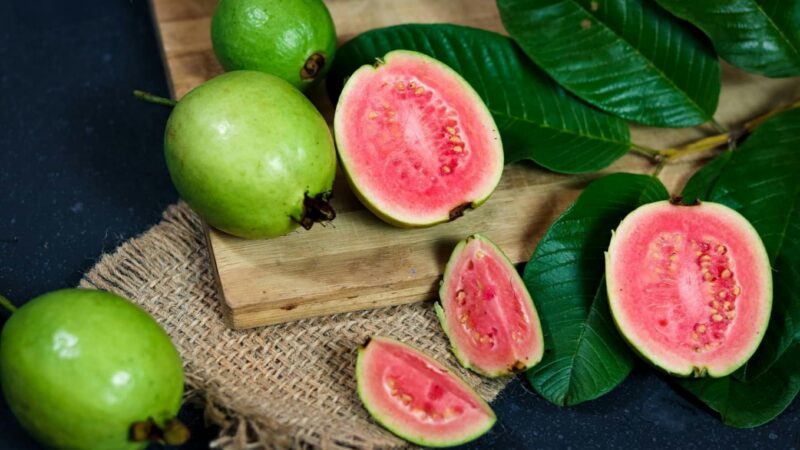
The Incredible Guava: Nature’s Overlooked Superfruit That Belongs in Your Daily Diet
While exotic superfoods like acai berries and goji berries get all the hype, there’s a humble tropical fruit growing right in our backyards…
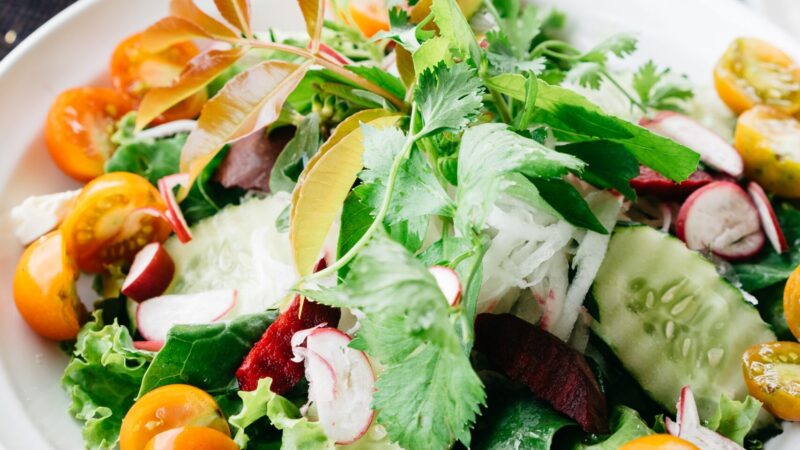
Eat Beautiful, Nourish your skin from within
Our skin is vulnerable to damage that can lead to early ageing and even skin cancer because it is constantly exposed to the…

Tis the season for good Oral Health
Christmas, for most, is an exciting time! A time to spend with family and close friends, partying, watching movies, Christmas plays, fellowship and…